Trying to decide between an in-town lot and small acreage near Pauls Valley? It sounds simple at first, but the right choice usually comes down to how much convenience, infrastructure, and hands-on property care you want in your daily life. If you are weighing room to spread out against easier service access, this guide will help you sort through the tradeoffs and focus on what matters most. Let’s dive in.
Why this choice matters
An in-town lot and a small acreage property can both be a great fit near Pauls Valley, but they often come with very different ownership experiences. The biggest difference is not just lot size. It is how much of the property’s systems and upkeep you may be managing yourself.
In Pauls Valley, city properties are typically more tied into municipal services and city oversight. Land closer to or outside the city limits may offer more space, but it can also bring more decisions about water, wastewater, fencing, and land use. That is why this choice deserves a closer look before you buy.
In-town lots offer easier day-to-day access
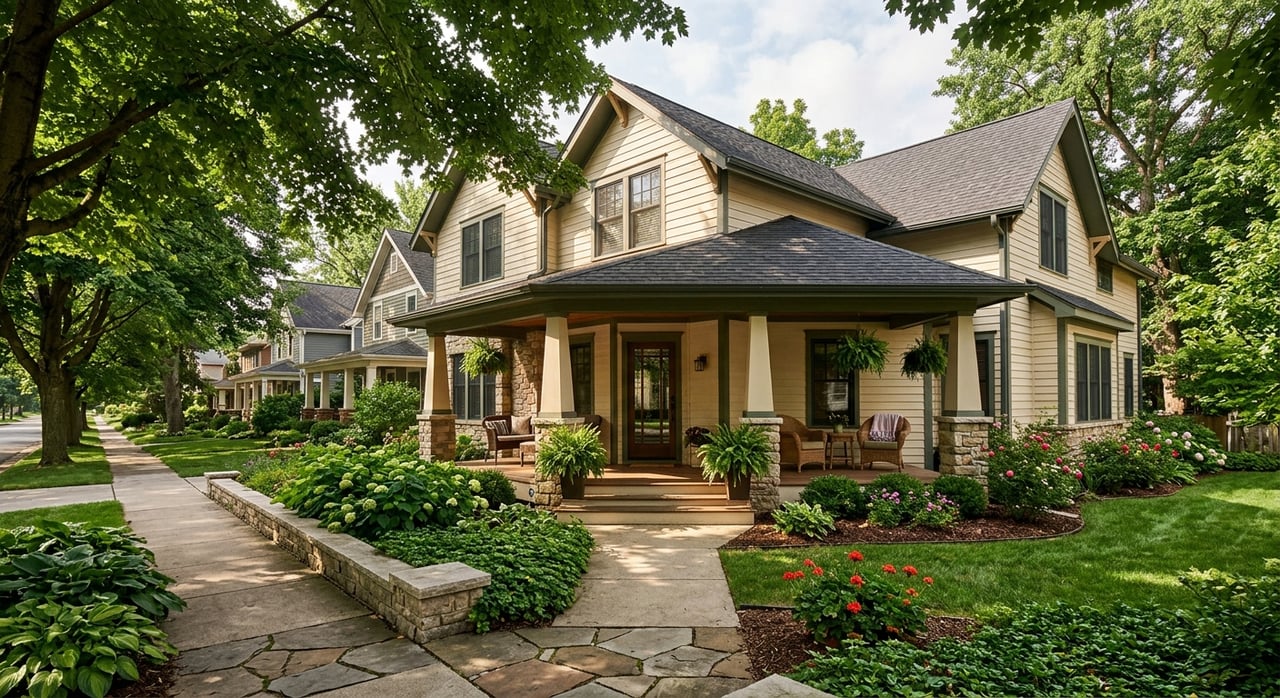
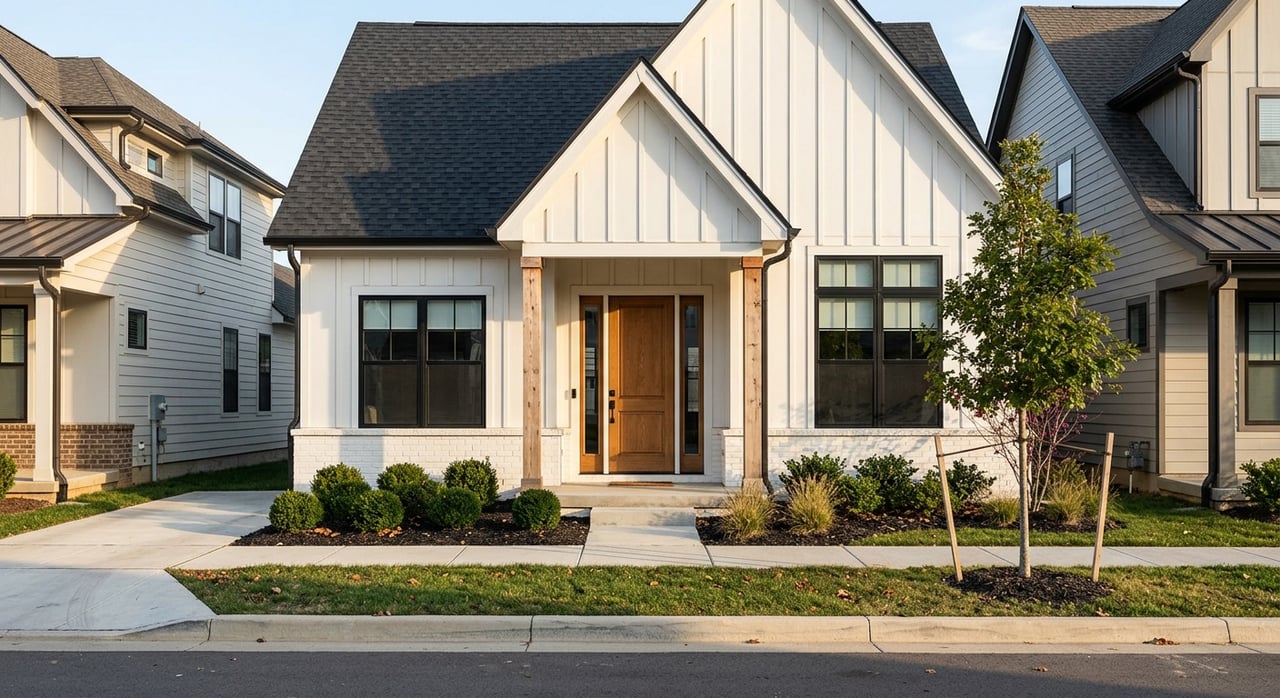
For many buyers, the biggest advantage of an in-town lot is convenience. Pauls Valley operates city water billing and sanitation, along with police, fire, code enforcement, parks and recreation, library services, and city-lake amenities. That creates a more connected day-to-day setup for many in-town owners.
The city fire department serves more than 8,000 people across 30 square miles. In practical terms, that helps explain why an in-town property often feels more closely linked to municipal services than a rural parcel nearby.
City utilities can simplify ownership
If your lot is in town, utility access may be more straightforward. Pauls Valley provides residential water and sanitation service through city offices, which can reduce the number of separate systems you need to manage on your own.
That simplicity matters when you are comparing long-term ownership, not just purchase price. Fewer owner-managed systems can mean fewer moving parts in your routine.
Permits and rules are more structured
City code in Pauls Valley covers planning and development, subdivision regulations, utilities, taxation, and zoning. That means in-town lots are more likely to involve municipal rules, permit steps, and code review.
Some buyers see that as a downside, while others appreciate the structure. If you want predictable processes and clear local oversight, an in-town property may fit your style better.
Small acreage gives you more space
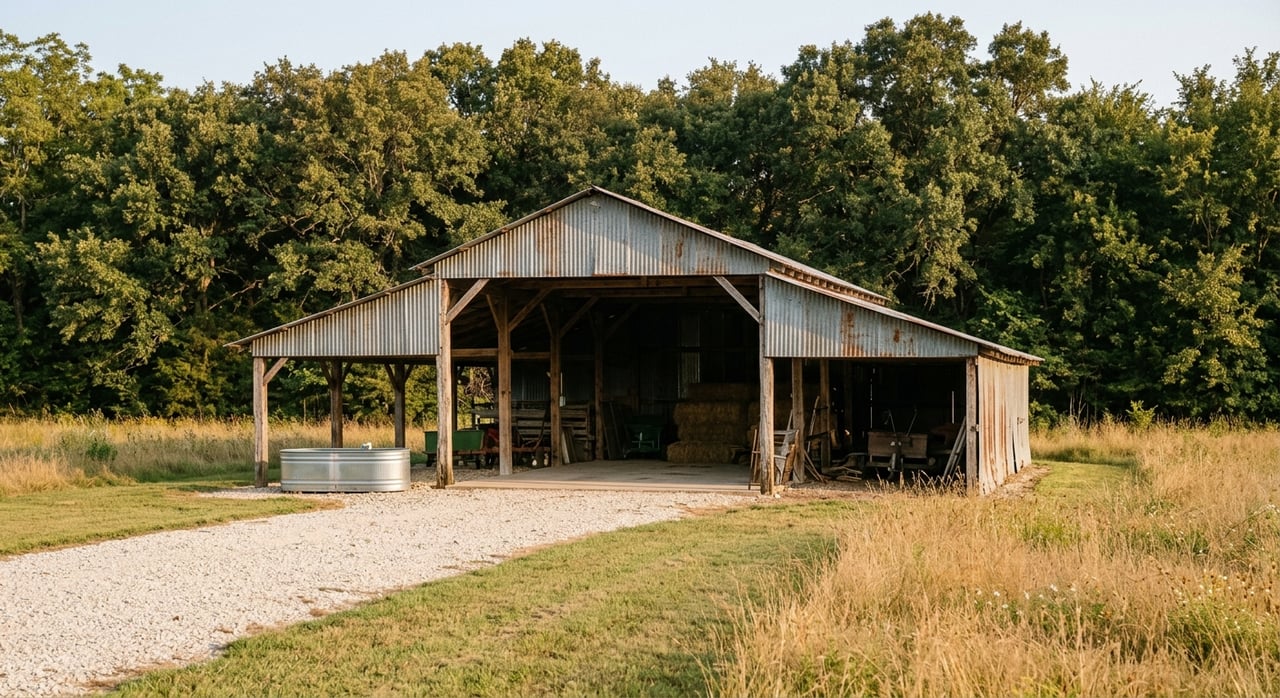
If your goal is elbow room, small acreage near Pauls Valley can be appealing. More land may give you flexibility for outdoor use, equipment storage, or a more spread-out homesite.
Still, more land usually comes with more personal responsibility. Once you move away from city infrastructure, ownership often becomes more hands-on.
Water source is a major decision
One of the first questions to ask is where the water comes from. Outside city service areas, a property may rely on rural water or a private well.
Oklahoma State University notes that thousands of Oklahoma residents rely on private wells, especially in rural areas not served by municipal or rural water systems. OSU also says well owners are solely responsible for water quality and maintenance, and recommends annual testing of private well water.
Septic changes the equation
Wastewater is another major fork in the road. OSU says private wastewater systems are more common in Oklahoma than many buyers expect, and they can be found in both municipalities and rural areas.
If a property uses septic, the system components must be on the owner’s property or in a dedicated recorded easement. OSU also notes that a typical minimum lot size for septic is about 0.5 acres with public water and about 0.75 acres with a private well.
More land usually means more upkeep
Acreage can look simple from the road, but the upkeep can add up quickly. That is especially true if you plan to use the land for horses or other hobby livestock.
OSU guidance on grazing says smaller pastures often need controlled grazing, temporary fencing, and water planning. It also notes that fencing, water, and labor costs can rise as the number of pastures increases.
Horses and hobby livestock add work
If you picture a few horses on small acreage, it is smart to think beyond the fence line. OSU says forage management on small acreage can be difficult, and erosion-prone areas may need fencing and rest periods.
That does not mean small acreage is a bad choice. It simply means the better fit depends on whether you want to take on that level of land management.
Compare lifestyle before price alone
It is easy to assume land outside the city limits will automatically be cheaper or simpler. In practice, that is not always true.
Garvin County says tax rates vary by school district, city limit, and vocational-technical district. The assessor reports rates generally range from $65 to $100 per $1,000 of taxable market value.
Property taxes can vary by location
That range is a reminder that location details matter. Two properties near Pauls Valley may look similar on the surface but have different tax treatment based on where they sit.
The Garvin County Assessor also says a homestead exemption reduces assessed valuation by $1,000 and can save about $75 to $125, depending on the part of the county. If the property will be your primary residence, that is one more detail to review early.
Questions to ask before you choose
When you compare an in-town lot with small acreage near Pauls Valley, the best questions are practical ones. These answers often tell you more than acreage count alone.
Key due diligence questions
- Is the parcel inside Pauls Valley city limits?
- Is water provided by city service, rural water, or a private well?
- Is wastewater handled by city sewer or a septic system?
- If septic is involved, does the lot size support it?
- Are any septic components located on-site or in a recorded easement?
- How much fencing, water planning, or pasture management will the land require?
- How do property tax rates compare for each location?
Which fit is right for you?
If you want a simpler routine, easier access to municipal services, and less owner-managed infrastructure, an in-town lot may be the stronger fit. It can be a practical choice if your priority is convenience and a more connected city-service setup.
If you want more space and do not mind taking a more active role in water, wastewater, and land management, small acreage may suit you better. The extra room can be valuable, but it often comes with more responsibility.
In the end, the better choice near Pauls Valley usually depends less on acreage alone and more on how much infrastructure and maintenance you want to own personally. If you want help comparing land, lots, and homesites with a practical local lens, connect with Matthew Cunningham.
FAQs
What is the main benefit of an in-town lot in Pauls Valley?
- An in-town lot is usually more connected to city services like water, sanitation, police, fire, code enforcement, parks and recreation, and other municipal amenities.
What should buyers check about water on small acreage near Pauls Valley?
- You should confirm whether the property uses city water, rural water, or a private well, because private well owners are responsible for water quality, maintenance, and annual testing.
What should buyers know about septic systems near Pauls Valley?
- If a property uses septic, OSU says the components must be on the owner’s property or in a dedicated recorded easement, and lot size can affect whether septic is feasible.
Are rural properties near Pauls Valley always cheaper to own?
- Not necessarily, because Garvin County tax rates vary by school district, city limit, and vocational-technical district, so ownership costs can differ by location.
Is small acreage near Pauls Valley a good fit for horses?
- It can be, but OSU says small-acreage grazing often requires careful forage management, fencing, water planning, and attention to erosion-prone areas.