If you own land or ranch property near Purcell, you may be wondering what really matters in today’s market. It is not just about acreage anymore. Buyers are looking at access, use, improvements, and future potential, especially in a growing area like McClain County. This guide will walk you through the local signals worth watching so you can make smarter decisions about holding, improving, or selling your property. Let’s dive in.
Why Purcell Owners Should Pay Attention
Purcell sits in a unique spot in central Oklahoma. The city is on Interstate 35, about ten minutes south of Norman and the greater Oklahoma City metro, and it serves as the county seat of McClain County. That location gives rural property here a different market dynamic than land in more isolated areas.
Growth is part of the story. McClain County’s population increased from 41,662 in 2020 to 48,434 in 2024, while Purcell grew from 6,651 to 6,938 in the same period. For landowners, that can mean more interest from buyers who want working land, homesites, long-term holds, or a mix of those goals.
The city also points to the I-35 and OK-74 interchange project, which is projected for completion in 2027 and is expected to provide full north-south access. Better access often changes how buyers view a tract. In a market like Purcell, that can affect both timing and property positioning.
What Types of Buyers Are Active
Working ranch buyers
McClain County still has a strong farm and ranch base. The USDA’s 2022 Census of Agriculture profile shows 1,121 farms covering 236,168 acres, with an average farm size of 211 acres. It also shows a sales mix led by livestock and poultry at 69%, which helps explain why cattle-oriented buyers remain a key part of the Purcell land market.
For this group, the land has to work. Buyers often focus on pasture quality, water, forage, layout, and whether the property supports a practical livestock operation. If your tract already functions well for grazing, that can be an important part of its appeal.
Equine and hobby-farm buyers
Horse property matters in this area. McClain County reported 3,585 horses in the 2022 agriculture census, and Purcell describes itself as the Quarter Horse Capital of the World. That local identity helps support demand for equine-friendly acreage with usable barns, corrals, fencing, and manageable pasture setups.
These buyers may not need a large commercial ranch, but they do care about usability. A tract that is easy to navigate and already set up for horses can stand out more than raw acreage with no working features.
Homesite and long-term hold buyers
Purcell also draws buyers who want room to spread out while staying connected to Norman or Oklahoma City. The city describes strong ties to both suburban and agricultural communities, which creates a blended buyer pool. That means smaller acreage and future homesite tracts can compete for attention alongside traditional ranch listings.
This matters if you own land near major roads or growth paths. A property’s future use may be part of its value story, not just what it produces today.
Recreational and stewardship buyers
Some buyers are focused on wildlife, recreation, or long-term land ownership. Oklahoma State University notes that rural land can serve livestock, agriculture, wildlife, or recreation, and that owners should pay attention to local land-use trends before investing heavily in improvements.
In a growing county, that advice matters. A tract that works for recreation today may also attract interest from buyers thinking about future division, homesites, or other long-term possibilities.
Land Size Still Shapes Demand
One of the biggest things owners should watch is how their tract size fits the market. OSU reports that the average sale size in South Central Oklahoma was 135 acres in its 2023 regional land-value data. It also notes that the most common tract size sold for agricultural land statewide is between 100 and 200 acres.
That does not mean there is one perfect acreage number in Purcell. Current and recent listing activity shows demand across many sizes, from very small tracts to properties over 200 acres. In practical terms, different size bands tend to attract different buyers.
Here is a simple way to think about it:
| Tract size | Likely buyer interest |
|---|---|
| Small acreage | Homesite buyers, hobby-farm buyers, long-term holders |
| Mid-size acreage | Equine buyers, mixed-use buyers, smaller operators |
| 100 to 200 acres | Traditional ranch and agricultural buyers |
| Large acreage | Established operators, investors, recreational buyers |
OSU also notes a pattern many owners should keep in mind: per-acre price generally declines as tract size increases. That does not make large tracts less valuable overall, but it does mean pricing strategy should match the buyer pool for your acreage size.
Pricing Signals Owners Should Watch
Regional benchmarks can help you stay grounded. In OSU’s 2023 South Central Oklahoma land-value data, average values were $3,462 per acre for all land, $3,666 per acre for pasture, and $2,771 per acre for cropland. OSU’s county-level map shows McClain County at $3,978 per acre for the 2021 to 2023 period, up 82% from 2012 to 2014.
That kind of increase gets attention, but owners should not assume every property moves the same way. Land value depends on use, access, condition, water, improvements, and buyer fit. A cattle-ready pasture tract near Purcell may be viewed very differently than a raw parcel with limited access.
It is also worth noting that OSU’s 2024 update says land values continued to rise in 2023, but growth moderated. The outlook for 2024 was mixed, with sideways expectations for cropland and single-digit growth for pastureland. Higher interest rates, weaker grain and fiber prices, and elevated production costs are part of that backdrop.
For owners, the takeaway is simple: this is a market to watch closely, not a market to price on old momentum alone. The strongest outcomes usually come from matching your property to current demand instead of relying on broad headlines.
Improvements That Can Influence Value
Not every improvement adds value in the same way. On rural property, improvements tend to matter most when they support the likely end use of the tract. OSU advises separating land value from improvement value and warns that heavy spending on fencing or pasture work may not make sense if the land is likely to shift toward residential or industrial use.
That is especially relevant in a place like Purcell, where growth and rural identity exist side by side. If your property is in an area seeing more homesite demand, buyers may not value every ranch improvement the same way a working operator would.
Functional improvements buyers notice
In the local ranch market, buyers often respond to practical features such as:
- Fencing and cross-fencing
- Gates and interior pasture division
- Ponds and water access
- Corrals and working pens
- Electric service
- Equipment sheds or storage space
- Good road access
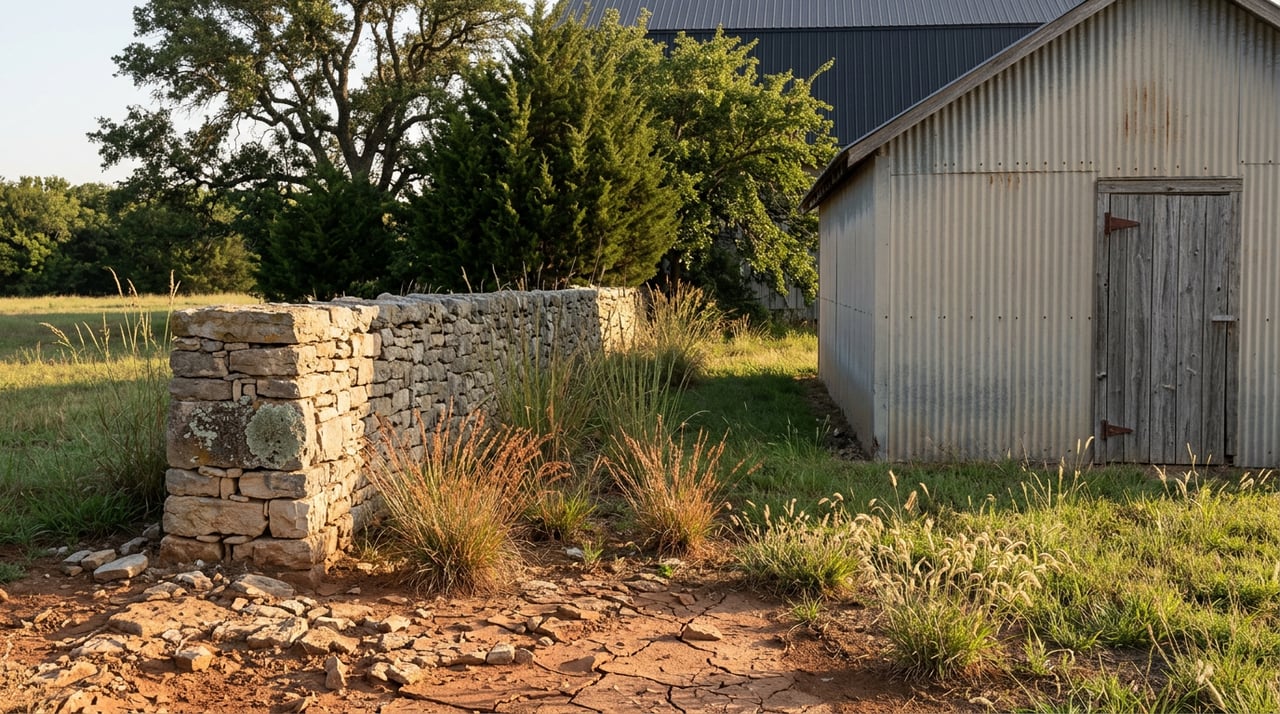
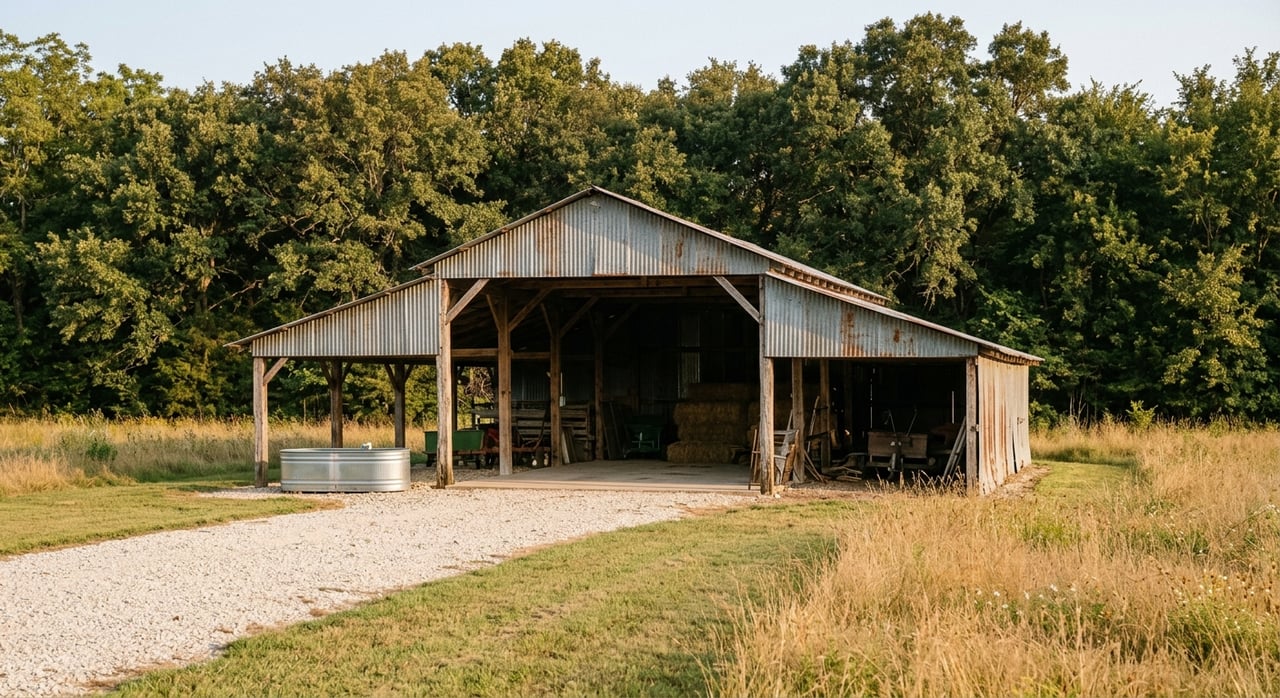
Cross C Realty’s current 206.24-acre ranch example near Purcell reflects that pattern. The property is being marketed with cross-fenced Bermuda pastures, four fishing ponds, a covered corral system with water and electricity, an equipment shed, and four-bay parking with storage. That is a useful local reminder that functionality and access are central parts of value in this market.
Improvement choices should match likely use
OSU also notes that one of the most common changes in rural land use is splitting land into smaller acreages. If your area is seeing that kind of shift, improvement decisions should support your probable buyer, not just your current use.
For example, interior fencing may be valuable to a grazing buyer, while a future homesite buyer may focus more on access, layout, and build potential. The right investment often depends on what your land is most likely to become over the next few years.
Watch Access and Development Pressure
Access is one of the biggest issues Purcell owners should monitor. Interstate proximity already matters here, and the planned interchange improvements could make some locations more visible and easier to reach. In rural markets, that can widen the buyer pool.
Development pressure matters too. Purcell describes a micropolitan trade area of about 25,000 people and about 100 square miles of new rural home development. When growth moves outward, owners may need to think about both current use and future positioning.
That does not mean every tract should be treated as development land. It does mean you should keep an eye on nearby changes, road improvements, and how surrounding parcels are being used. In some cases, those outside factors can influence value as much as what is happening inside your fence line.
Don’t Ignore Assessor Records
Another issue owners should watch is how improvements show up in public valuation records. OSU says the county assessor must discover, list, appraise, and assess all real and personal property, inspect each property at least once every four years, and value new construction or other improvements after discovery.
In practical terms, that means a new barn, shed, drive, or fencing project may affect recorded value before you ever list the property. If you are making upgrades, it is smart to keep organized records and stay aware of how those changes may shape the property’s tax and value profile.
What Owners Should Do Now
If you are not ready to sell today, there is still value in tracking the market. Purcell owners should pay close attention to a few core items:
- Your tract’s access and visibility
- Nearby growth or land-use changes
- How your acreage size fits local demand
- The condition and usefulness of improvements
- Whether your property is best positioned for ranch, equine, recreational, homesite, or mixed-use buyers
The Purcell land and ranch market is not one-dimensional. It includes cattle producers, horse-property buyers, homesite shoppers, and long-term landholders. When you understand which group is most likely to want your property, you are in a much better position to decide whether to hold, improve, or sell.
If you want a practical read on how your land fits today’s Purcell market, connect with Matthew Cunningham for local guidance backed by real farm, ranch, and acreage experience.
FAQs
What is driving demand for land near Purcell, Oklahoma?
- Demand is influenced by Purcell’s location on I-35, population growth in McClain County, continued rural home development, and ongoing interest from ranch, equine, recreational, and homesite buyers.
What tract sizes are common in the Purcell land market?
- OSU reports that the most common agricultural tract size sold statewide is between 100 and 200 acres, but current and recent Purcell-area activity shows demand across a wide range of sizes, from small acreage to properties over 200 acres.
What improvements matter most to Purcell ranch buyers?
- Functional improvements often matter most, including fencing, cross-fencing, ponds, corrals, water access, electric service, storage buildings, and solid road access.
How should Purcell owners think about land value right now?
- Owners should use local and regional benchmarks as context, while also considering access, use, improvements, tract size, and buyer fit because values do not move the same way for every property.
Why should Purcell landowners watch nearby development?
- Nearby road projects, rural home growth, and changing land use can affect a property’s future appeal, possible buyer pool, and overall positioning in the market.