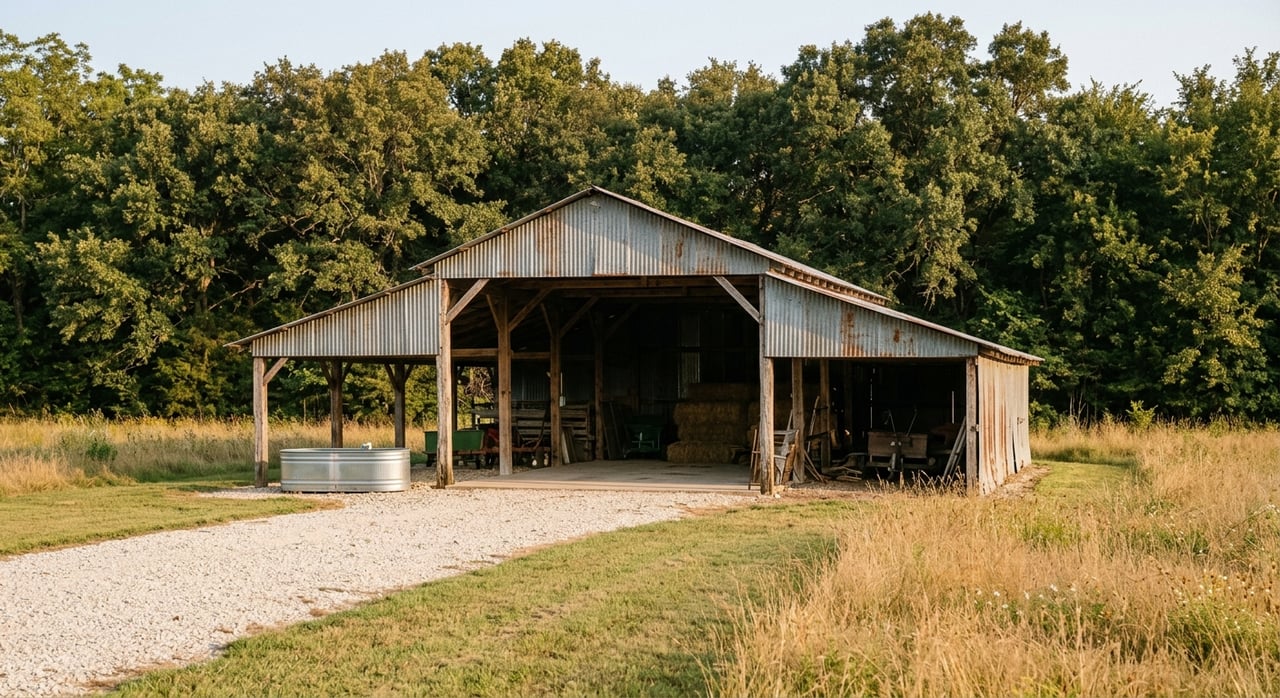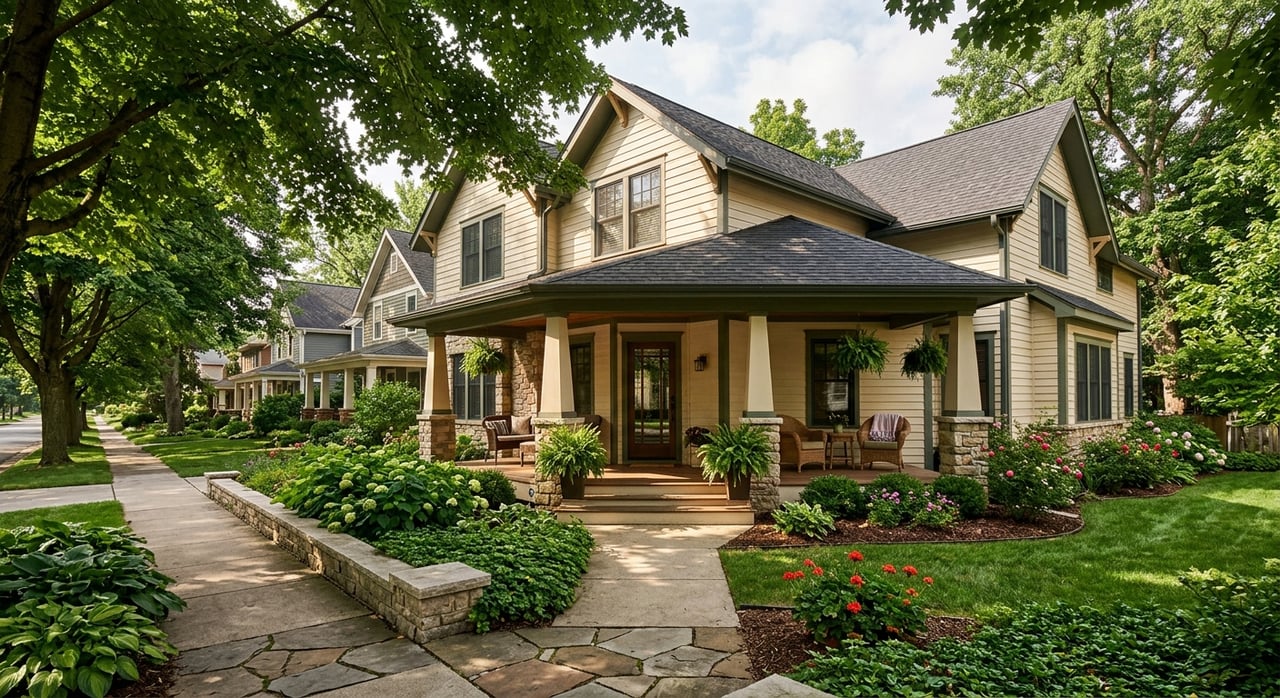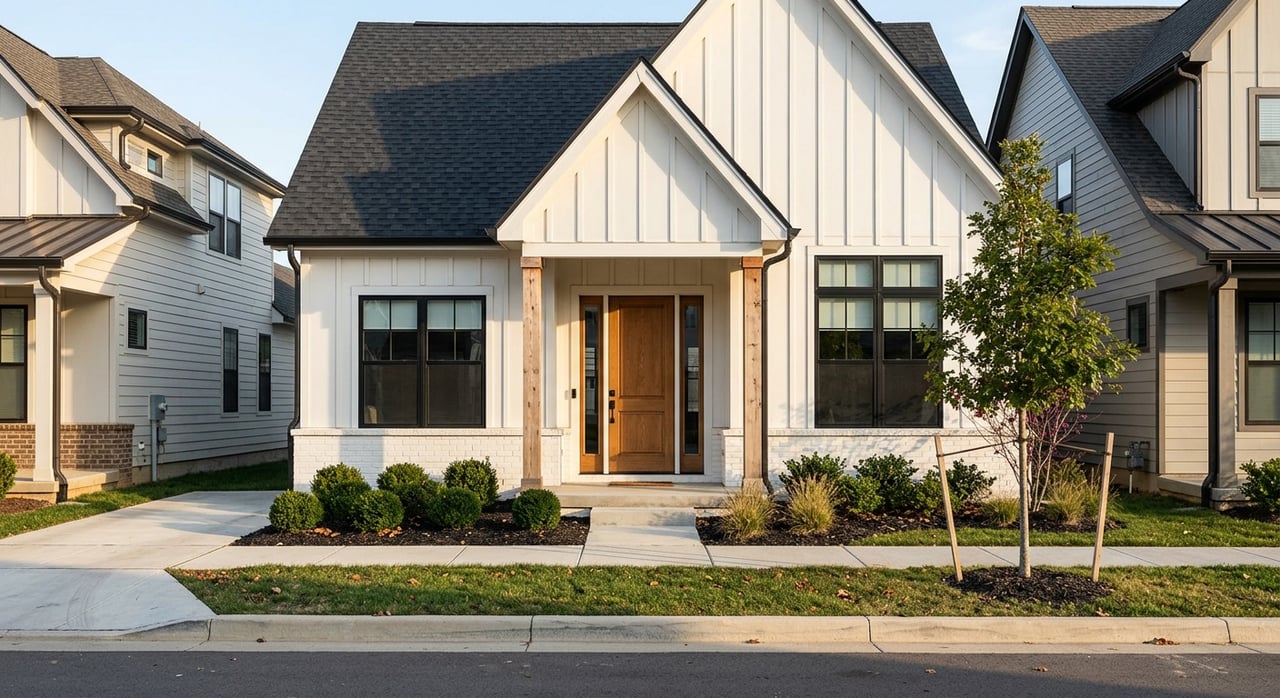
Trying to choose between a few acres on the edge of Norman and a home in a neighborhood with smaller lots? It is a common decision, and the right answer depends less on what sounds good in a listing and more on how you want to live day to day. If you are weighing privacy, upkeep, financing, and future resale, this guide will help you compare both paths with Norman-specific context. Let’s dive in.
Norman acreage means something different
In Norman, acreage often carries a different land-use context than a standard subdivision home. The city’s AIM Norman plan separates urban neighborhoods from RR, or Rural Residential, and AR, or Ag Residential, areas.
That matters because a home on acreage may not simply be a house with a bigger backyard. In many cases, it may sit in a lower-density area on the city’s edge where the long-term development pattern is intentionally different from in-town neighborhoods.
The city also notes that RR areas are existing large-lot residential areas beyond the urbanized area, while AR areas are primarily agricultural or large-lot residential and are unlikely to change much during the plan period. That can be appealing if you want a more rural setting, but it also means you should evaluate the property as its own category, not as a typical subdivision alternative.
Subdivision living offers a different kind of ease
A subdivision home in Norman often brings more predictable day-to-day systems. If the property is served by city utilities, you may have water, sewer, and sanitation through Norman’s municipal system, with centralized billing and city-managed water and sewer line maintenance.
For many buyers, that simplicity is a major advantage. You are usually comparing homes with similar lot sizes, similar infrastructure, and a more familiar ownership routine.
That does not automatically make subdivision living better. It simply means the responsibilities are often more standardized, which can make budgeting and planning easier.
Acreage shifts more responsibility to you
If you are considering acreage, it helps to think beyond square footage and focus on ownership tasks. Oklahoma DEQ says on-site sewage systems are common in Oklahoma and that septic system maintenance is the homeowner’s responsibility.
The DEQ also notes that regular testing of private well water can be valuable. If a property relies on a private well, the Oklahoma Water Resources Board licenses well drillers and pump installers to help protect groundwater and well construction quality.
In practical terms, acreage can offer more space and flexibility, but it can also require a more hands-on approach. Instead of calling one city utility department for several services, you may be managing more pieces yourself.
Compare utilities before you compare finishes
When buyers tour homes, it is easy to focus on kitchens, porches, and views. In Norman, one of the smartest early questions is whether the home uses city water, sewer, and sanitation or whether you will be responsible for septic and possibly a private well.
That one detail can affect your monthly routine, maintenance planning, and long-term costs. It can also shape how comfortable you feel with the property if you are used to a more suburban setup.
If you love the idea of acreage but want fewer unknowns, this is one of the first items to verify. A beautiful tract can still come with systems that need more attention than you expected.
Roads and access can feel different
Norman maintains roughly 800 miles of streets, including urban and rural roads. That does not tell you exactly how any one property will feel, but it does support a simple point: a home on the fringe may come with a different road environment than a home in a typical in-town subdivision.
That difference can show up in your daily drive, how the property feels after heavy weather, and how connected you feel to the rest of town. It is not necessarily a negative, but it is worth experiencing in person at different times of day.
If you are comparing two homes that look similar on paper, access can become the deciding factor. A few extra minutes on the road may feel minor, or it may matter a lot depending on your routine.
Financing may be more straightforward in subdivisions
Many acreage homes can be financed, but the approval process can be more sensitive to property details. Fannie Mae’s guidance says a property must be residential in nature, have legal and highest-and-best use, and be supported by similar comparable sales.
Its appraisal guidance also says comparable sales should come from the same market area when possible. If truly similar sales are scarce, the appraiser may need to expand the search and explain why.
This is one reason subdivision homes often move through financing with fewer valuation questions. There are usually more nearby homes with similar features, which can make appraisal support easier.
Acreage appraisals can be more individualized
With acreage, the home still needs to read as a residential property for many loan scenarios. Land size, outbuildings, access, and the availability of comparable sales can all affect how smoothly the valuation process goes.
VA guidance can be helpful here for eligible buyers. The VA says it does not set a limit on acreage, and a farm residence can be eligible if the veteran uses it as a primary residence, but the value should be based on residential use rather than livestock, crops, or equipment.
That does not mean acreage is hard to finance. It means you should expect more property-specific review, especially when the home is not easily compared to nearby sales.
Taxes and ownership costs deserve a full review
Purchase price is only part of the equation. In Cleveland County, ad valorem taxes are based on taxable market value, the 12% assessment ratio for real property, exemptions, and the local tax rate.
The county also says the homestead exemption reduces assessed valuation by $1,000 for qualifying owner-occupied property, which may save roughly $75 to $125 depending on location. That is not a huge number on its own, but it is still worth understanding as part of your total cost picture.
More importantly, compare the full ownership cost of each option. Utilities, septic or well upkeep, road access considerations, and general maintenance can all influence what the home costs you over time.
Flood and drainage questions matter anywhere
Whether you buy acreage or a subdivision home, drainage should be part of your review. The City of Norman notes that areas outside mapped floodplains can still flood, and floodplain permits are required within floodplains.
For acreage buyers, this can be especially important because larger tracts may include more varied topography or drainage patterns. For subdivision buyers, it still matters because lot drainage and nearby stormwater flow can affect day-to-day use.
A good rule is to ask early, not late. You want to understand the site itself, not just the home built on it.
Resale may look different for each choice
Norman’s market remains active, with Redfin reporting a March 2026 median sale price of $283,000, median days on market of 38, and an average of 1 offer per home. That is a citywide snapshot, not a direct comparison between acreage and subdivisions, but it gives you a baseline for the current pace of the market.
For resale, subdivision homes often benefit from a broader buyer pool and more nearby comparable sales. Fannie Mae’s appraisal guidance says sale activity from within the same neighborhood is the best indicator of value, and dwellings tend to maintain value best when they are among similar homes.
Acreage homes can still be strong long-term fits, especially if you value space and a lower-density setting. But they may involve more individualized valuation and may appeal to a narrower set of future buyers.
Lifestyle should lead the decision
The best choice usually comes down to how you want your home to function. If you want simpler utilities, easier comparables, and a more standardized ownership experience, subdivision living may fit you better.
If you want more land, more separation, and a setting that feels less urban, acreage may be worth the added responsibility. In Norman, that choice is not just about lot size. It is also about land-use context, infrastructure, and how comfortable you are managing a property with more moving parts.
A clear decision often starts with a few honest questions:
- Do you want city utilities, or are you comfortable with septic and possibly a private well?
- How much maintenance do you want to handle yourself?
- Will your loan type fit the property’s acreage, access, and comparable sales profile?
- Are you comparing total ownership cost, not just the list price?
- How important are privacy, road environment, and lower-density surroundings to your daily life?
When you answer those questions first, the right property type usually becomes clearer.
If you are comparing acreage and subdivision options in Norman, working with a team that understands both property types can save you time and help you avoid expensive surprises. Matthew Cunningham can help you look past the listing photos and focus on the details that matter most for your budget, lifestyle, and long-term plans.
FAQs
What does acreage living in Norman usually mean?
- In Norman, acreage often means a lower-density property in RR or AR areas on or beyond the city’s edge, not just a larger lot in a typical neighborhood.
What utility questions should you ask about a Norman acreage home?
- Ask whether the property uses city water, sewer, and sanitation or relies on septic and possibly a private well, because that changes maintenance responsibility and monthly planning.
Are Norman subdivision homes easier to finance than acreage homes?
- They often can be, because subdivision homes usually have more nearby comparable sales, which may make appraisals and underwriting more straightforward.
Can you use a VA loan for a Norman acreage property?
- Possibly, because VA guidance says it does not set a limit on acreage if the property is used as the veteran’s primary residence and valued based on residential use.
How do Cleveland County property taxes work for owner-occupied homes?
- Cleveland County says ad valorem taxes are based on taxable market value, the 12% assessment ratio, exemptions, and the local tax rate, and qualifying owner-occupied homes may be eligible for a homestead exemption.
Why do resale patterns differ between Norman acreage and subdivision homes?
- Subdivision homes often have a broader buyer pool and stronger comparable-sale support, while acreage homes may require more individualized valuation and may appeal to a narrower group of buyers.