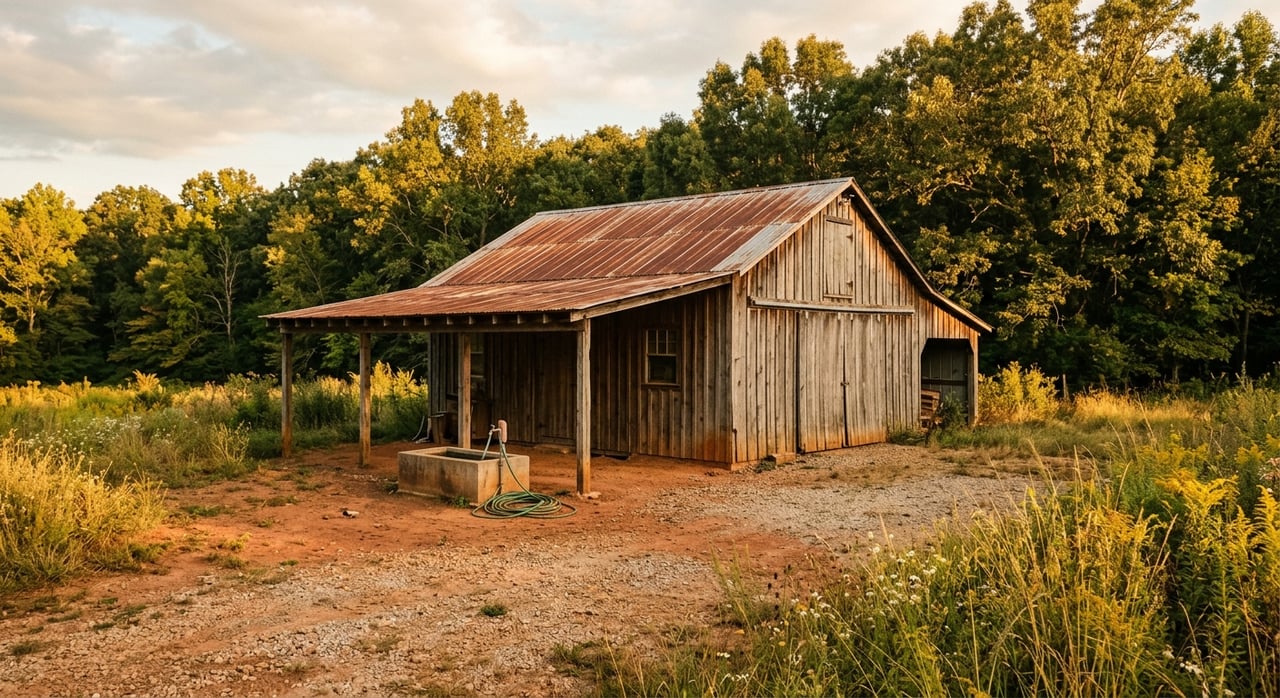
Dreaming about a few acres near Norman for horses, a barn, or a small hobby farm? It is easy to fall in love with a pretty pasture or a quiet country view, but the wrong parcel can create expensive surprises fast. If you want land that actually works for the way you plan to live, you need to look beyond acre count and focus on zoning, drainage, water, fencing, and financing. Let’s dive in.
Why small acreage near Norman takes extra homework
Buying small acreage near Norman is part lifestyle decision and part property-use decision. Two tracts with the same number of acres can perform very differently depending on city zoning, soil conditions, water access, and fence setup.
That matters even more if you plan to keep horses or run a small hobby farm. A property that looks ideal from the road may have animal restrictions, low spots that stay muddy, or financing issues that do not show up until you are under contract.
Start with zoning inside Norman
If the property is inside Norman city limits, zoning should be one of your first checks. The city allows agricultural use in several districts, but the rules are not the same from one district to another.
A quick zoning review can help you avoid wasting time on land that does not fit your plans. Norman also offers a zoning verification request, which can be a smart step before you tour too far or write an offer.
A-1 zoning and smaller tracts
Norman’s A-1 General Agricultural District is meant for agricultural land that may urbanize over time. It allows agricultural crops and farm animals, but it does not allow commercial feed pens for cattle or hogs.
There is also an important rule for smaller tracts. On parcels under 40 acres, hogs are prohibited in A-1, which makes this district especially important if your hobby-farm plans include swine or 4-H projects.
A-2 zoning for horse-focused use
A-2 Rural Agricultural District is the more remote agricultural category within the city framework. It allows agricultural crops and farm animals and also lists riding academy and public stable as special uses.
For buyers focused on horses, A-2 is one of the clearest zoning categories to review first. If your long-term goal includes more horse-oriented improvements or uses, this district deserves close attention.
RE zoning for country-residential living
RE, or Residential Estate Dwelling District, is more suburban-residential in character. Even so, it still allows a general purpose farm or garden along with accessory buildings such as barns and sheds.
That can make RE appealing if you want a country feel without operating a full farm setup. Still, you should confirm exactly how your intended use fits the parcel before assuming a barn and a few animals will be simple.
Animal rules still matter in the city
Even if zoning looks workable, Norman’s animal ordinance adds another layer. Domesticated farm animals are allowed in city zoning districts only when the requirements in Chapter 22 are met.
In single-family, two-family, or multifamily districts, those animals must be at least 25 feet from a lot line with an inhabited dwelling and 100 feet from any other dwelling. The owner must also maintain a suitable barrier to preserve that separation.
Setbacks and movement rules
These rules matter in practical ways. A tract may have enough acreage on paper, but the layout of the home, neighboring homes, and lot lines can shrink the area that is truly usable for animals.
Norman also says livestock cannot be at large or moved on alleys, streets, or public ground inside the city. Domesticated farm animals must be led by halter, leash, or rope while moving to and from pasture, which makes access and fencing part of the legal picture too.
Outside Norman, fencing becomes a bigger issue
If you buy outside city limits, state law becomes more important for day-to-day land use. Oklahoma law requires domestic animals, including horses, cattle, swine, sheep, and goats, to be restrained from running at large.
Oklahoma Title 4 also includes lawful-fence standards and partition-fence procedures. In real life, that means boundary fencing is not something to sort out after closing if you plan to keep animals.
Do not treat fencing like a small detail
A fence line can affect safety, neighbor relationships, and immediate usability. If perimeter fencing is weak, missing, or in the wrong place, your move-in timeline and budget can change quickly.
Before you buy, inspect gates, corners, stretches along roads, and any area where animals could push through. On acreage meant for horses or hobby-farm use, practical fencing is part of the value.
Usable acres matter more than total acres
One of the biggest mistakes buyers make is assuming more acres automatically means a better horse property. Near Norman, soil type, drainage, and pasture condition can matter more than the number on the listing.
A 10-acre tract with decent grass, workable drainage, and solid fencing may serve you better than 20 acres with heavy mud, ponding water, or hard-to-manage layout issues. The real question is not how many acres you get. It is how many acres you can actually use.
Norman-area soils can vary a lot
Cleveland County includes very different soil types, even near Norman. The Lomill series, mapped west and north of Norman, includes silty clay loam to silty clay horizons with high clay content and seasonal cracking.
That kind of ground can support pasture, but it often needs more drainage and mud management. Around gates, feeders, and turnout areas, heavy clay can create problems quickly during wet periods.
The Slaughterville series, also mapped in Cleveland County, is a fine sandy loam in improved bermudagrass pasture. Compared with heavier clay sites, this kind of soil is often easier to manage for turnout, though it still benefits from fertility planning and grazing control.
Think about stocking rate early
Oklahoma State University notes that stocking rate depends on horse size, forage species, soil type, season, moisture, fertilization, and grazing time. As a rough Oklahoma benchmark, unimproved productive native grass pasture may require 5 to 10 acres per horse.
That benchmark helps explain why small acreage buyers should be realistic. If your tract is partly low, heavily shaded, or set aside for buildings and driveways, the number of usable grazing acres may be much lower than the total parcel size.
Mud control is a real management issue
OSU also advises that new spring grass should be 4 to 6 inches tall before horses are turned out. It recommends planning mud control around gates and feeders before rain arrives.
That is a practical reminder for buyers near Norman. If a property funnels runoff into the exact spots where horses gather, you may spend more time and money managing mud than enjoying the land.
Water is not just a yes-or-no question
For horse and hobby-farm buyers, water should be reviewed in two parts. First, is there a legal water source? Second, is there enough volume and pressure for the way you plan to use the property?
Inside Norman, some parcels may connect to city service. Norman says its water comes from Lake Thunderbird and is supplemented by city wells, and the city maintains multiple active well sites and water towers as part of its system.
Private wells need closer review
Rural acreage may rely on a private well or a non-city system. OSU notes that many Oklahoma residents, especially in rural areas, depend on private wells.
OSU also says private well users can face water-quality issues tied to chemical use, waste disposal, septic systems, poor construction or maintenance, nearby land use, drought, or flooding. The only way to know whether the water is safe is to test it regularly.
Well rules can change by use
The Oklahoma Water Resources Board licenses well drillers and pump installers. It also requires a Notice of Intent to Drill for non-domestic wells in certain situations, including irrigation of more than 3 acres and other commercial uses.
That is important if your plans go beyond a house, barn, and normal livestock use. A simple residential setup and a more intensive irrigation plan may fall under different rules, so it is smart to confirm that early.
Financing depends on how the property is used
Many buyers assume acreage automatically means specialty financing. In some cases, conventional financing can still work if the property remains residential in nature.
Fannie Mae says lenders look at the property’s characteristics, zoning, and present land use in rural or less developed areas. A larger site may still qualify if the appraiser can support that it is a typical residential property for the area, legally usable, and readily accessible by roads that meet local standards.
When rural loan options may help
USDA Rural Development’s Section 502 Guaranteed Loan program is for owner-occupied homes in eligible rural areas. That can be helpful when the property is still mainly a residence but sits outside the usual suburban mortgage box.
If a property is truly a farm operation, agriculture-specific financing can be a different conversation. Researching that distinction early can help you match the right property with the right loan path.
A smart due-diligence checklist
Before you commit to small acreage near Norman, slow down and verify the basics. The right parcel is usually the one with the right legal use, workable drainage, dependable water, and practical fencing, not simply the biggest spread.
Here is a solid short list to use as you compare properties:
- Confirm the zoning district, and request zoning verification from Norman if the parcel is inside city limits.
- Walk the land for drainage, low spots, mud-prone areas, and access around gates and feeders.
- Inspect perimeter fencing and boundary lines before assuming the tract is ready for animals.
- Confirm the water source and test the water if the property uses a private well.
- Review title work, deed restrictions, and any subdivision covenants before you get emotionally attached.
- Check for flood-related overlays or added restrictions, including Norman flood hazard overlays or the Ten Mile Flat conservation area when applicable.
How local guidance can help
Buying horse property or hobby-farm acreage near Norman asks more from you than a typical home purchase. You are not just evaluating a house. You are evaluating whether the land can support the way you want to live from day one.
That is where local, practical guidance matters. When you work with a team that understands land, livestock use, and residential financing realities, you can make a clearer decision and avoid surprises after closing.
If you are comparing acreage near Norman and want help looking at the details that really matter, connect with Matthew Cunningham for straightforward guidance on land, homes, and the property features that shape long-term value.
FAQs
What zoning should you check for horse property in Norman?
- If a parcel is inside Norman city limits, start by confirming whether it is zoned A-1, A-2, RE, or another district, because allowed agricultural uses and animal-related rules can differ significantly.
Can you keep hogs on small acreage inside Norman?
- In Norman’s A-1 district, hogs are prohibited on tracts under 40 acres, so buyers planning swine or some 4-H projects should verify zoning very carefully.
How many acres do you need per horse near Norman?
- Oklahoma State University says stocking rate depends on several factors, but a rough benchmark for unimproved productive native grass pasture in Oklahoma is 5 to 10 acres per horse.
Why does soil type matter for hobby farms near Norman?
- Soil type affects drainage, mud control, pasture performance, and how usable the land feels day to day, which is why a smaller tract with better soils can outperform a larger one with heavy clay or ponding.
Should you test a private well on rural acreage near Norman?
- Yes. OSU says the only way to know whether private well water is safe is to test it regularly, especially since water quality can be affected by nearby land use, septic systems, drought, or flooding.
Can you get conventional financing on small acreage near Norman?
- In some cases, yes. Conventional financing can still work when the property is residential in nature, legally usable, and supported by the appraisal as typical for its market area.