If you are shopping for pasture or acreage in Purcell, it is easy to focus on the view and the total number of acres. But a good-looking tract does not always function the way you expect. When you know what to check, you can better judge grazing potential, homesite value, water reliability, and long-term flexibility. Let’s dive in.
Why Purcell acreage needs a closer look
Purcell sits along Interstate 35 about ten minutes south of Norman and the Oklahoma City metro, which gives local acreage a wider appeal than forage alone. In McClain County, land can hold value for agricultural use, recreation, a future homesite, or long-term appreciation.
That broader demand makes it even more important to look past the listing photos. A tract that seems similar on paper may perform very differently once you evaluate soils, grass, water, fencing, and title details.
Start with the land’s real use
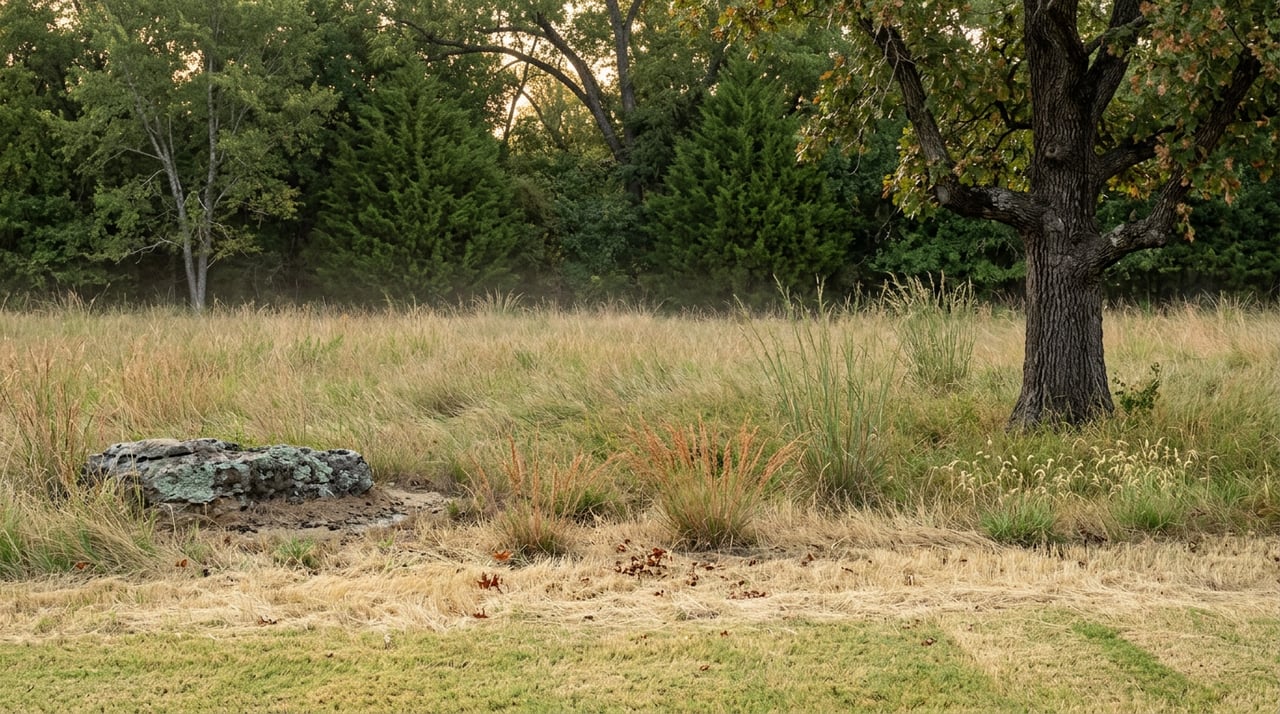
One of the first things to ask is whether the property is improved pasture, native rangeland, or a mix of both. In Oklahoma, improved pasture often includes bermudagrass, old world bluestem, weeping lovegrass, or bahiagrass, while native ground may include grasses like big bluestem, little bluestem, switchgrass, and indiangrass.
That distinction matters because each type supports different goals. Improved pasture may fit buyers focused on higher forage production, while native rangeland may appeal more to buyers who want lower-input management or stronger wildlife habitat value.
If a tract is advertised as “good grass,” ask what that actually means. You want to know the forage type, how dense the stand is, whether weeds are present, and whether the ground is primarily grazed or used for hay.
Bermudagrass can change value
Bermudagrass is a major forage grass in Oklahoma, but not every bermudagrass pasture performs the same way. Oklahoma State University notes that older varieties can produce around 3 to 4 tons per acre with adequate fertilization, while newer varieties can reach 6 to 9 tons per acre under high management.
That is why fertilizer history and pasture care matter. Two properties with the same acre count may have very different practical value if one has been maintained well and the other has been neglected.
Check soils before you trust the acres
In McClain County, soils are not uniform from one tract to the next. The county soil legend includes units such as Bethany silt loam and the Bethany-Pawhuska complex, and local soils can shift quickly from deep terrace soils to shallower upland soils.
This is where buyers can make a costly assumption. Just because nearby acreage works well for grazing, hay, or a homesite does not mean another parcel will offer the same strength.
Soil differences affect daily use
In central Oklahoma, Minco soils are very deep and well drained. Nash soils are well drained with moderate permeability and are commonly used for crops, hayland, or grazing. Lucien soils are shallow, well drained, and commonly used for grazing.
Those differences can affect erosion risk, drought resilience, and carrying capacity. They can also shape where you place improvements, how the land handles wet weather, and how dependable the ground may be over time.
A smart next step is to review the exact tract in the official Web Soil Survey rather than relying on general county assumptions. That kind of tract-level review can tell you more than aerial photos ever will.
Look at carrying capacity, not just deeded acres
Acre count alone does not tell you how many animals a property can support. Oklahoma State University ties stocking rate to carrying capacity, not total deeded acres, and stresses that stocking and forage production records are some of the best indicators of how a pasture has actually performed.
This matters because overgrazed land can look bigger on paper than it functions in practice. A smaller, well-managed pasture may offer more usable value than a larger tract with weak forage and heavy pressure.
Ask for grazing and hay history
When possible, ask for recent grazing history, hay yields, and any forage production records. These details can help you understand whether the pasture has been maintained thoughtfully or pushed too hard.
OSU defines an animal unit month as 780 pounds of dry forage, which highlights how important real forage supply is in stocking decisions. In other words, the land’s production matters more than a rough headcount guess.
Inspect fencing like a working asset
Fencing is about much more than marking a boundary. It affects livestock movement, pasture rotation, safety, and how efficiently the tract can be used.
A property with decent perimeter fencing but poor layout may still require major improvement. Cross-fencing, gate placement, and how easily animals can reach water all affect day-to-day function.
What to look for in pasture fencing
As you walk a tract, pay attention to:
- Fence type and overall condition
- Sagging sections or obvious repair needs
- Cross-fencing that supports multiple pastures
- Gate placement and ease of equipment access
- Whether the layout helps or complicates grazing management
OSU notes that fences and water developments are key parts of livestock infrastructure. Well-planned setups can support rotational grazing and better pasture management over time.
Verify every water source
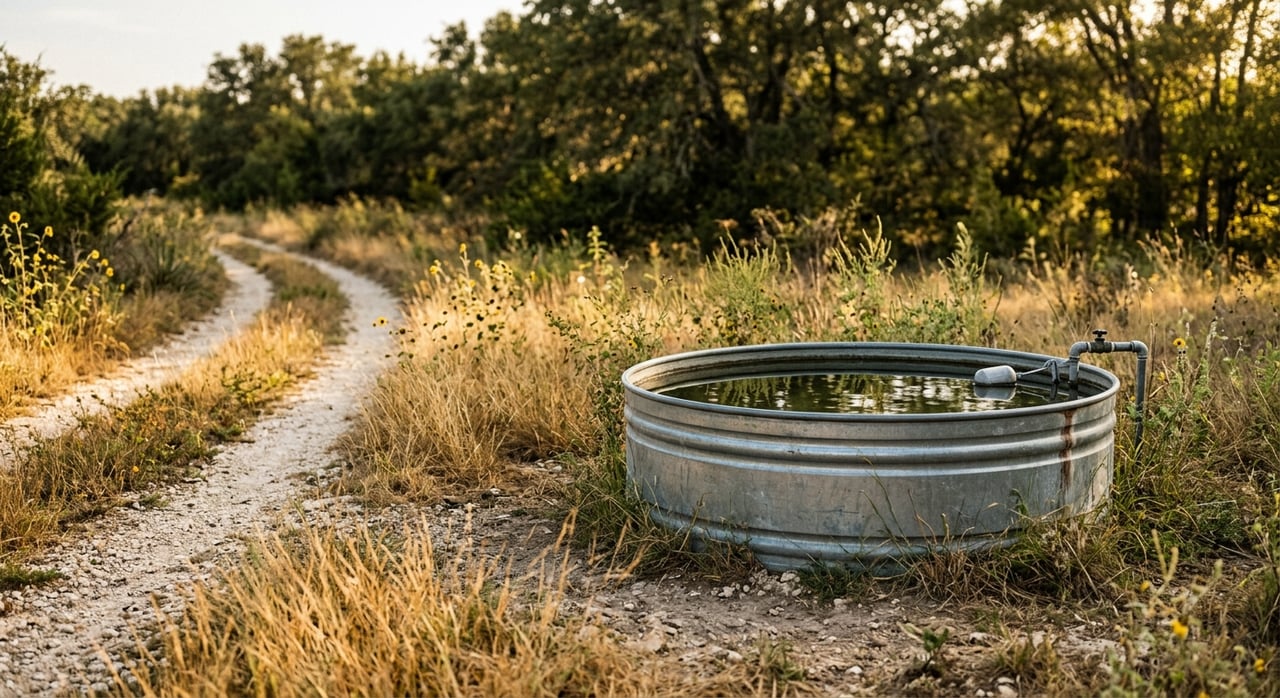
Water should be treated like any other major asset on the property. If a listing mentions a pond, creek, or well, you need to confirm how that source functions across the year and how usable it really is.
In rural Oklahoma, private wells are common, and well drilling and pump installation are overseen by the Oklahoma Water Resources Board. OSU also notes that private well water safety is the owner’s responsibility, which is one reason annual well testing is recommended for household wells.
Ponds need more than water in them
If the property depends on a pond, do not stop at whether it looks full on showing day. Check whether it holds through dry periods, how livestock access is managed, and whether the dam or shoreline shows erosion or hoof damage.
OSU recommends fencing the dam and basin and using either a freeze-proof stock tank or a limited-access watering point. That setup can help reduce turbidity and support better water quality.
Creeks and drainage areas matter too
A creek or drainageway can add value, but it should be viewed as a managed part of the property. Riparian areas can be sensitive to overuse, especially if livestock pressure is concentrated near water.
Cross-fencing and alternate water sources can help protect those areas while supporting better long-term pasture health. If you see streambanks, low ground, or worn access points, it is worth asking how the area has been managed.
Confirm access and easements early
A beautiful tract can become frustrating fast if access is unclear. In Oklahoma, easements can involve driveways, utilities, pipelines, highway rights-of-way, and even rights related to water movement across property.
That is why deeded access should always be confirmed. You also want to know the exact location of any route serving the tract, especially if access crosses another property.
Easements can affect future plans
If you are thinking about a homesite, barn, pond work, or fence changes, easements can shape what is practical. Utility corridors, pipeline routes, and access strips may limit where improvements can go.
Landlocked situations can involve implied access issues under Oklahoma law, but buyers should not rely on assumptions. Recorded documents and title review matter here.
Review title, minerals, and conservation limits
Pasture property can look straightforward while still carrying title issues that affect value. In Oklahoma, surface rights and mineral rights can be separated, which means a sale may not include the same rights above and below the ground.
That can affect future use, including roads, fencing, ponds, and building sites. Before assigning full value to a tract, make sure mineral reservations or split ownership are clearly understood.
Conservation easements can change options
Some properties may also be subject to conservation easements. In Oklahoma, those easements can preserve agricultural or open-space use while placing recorded restrictions on future owners.
That does not automatically make a tract less useful, but it does mean you should know what is and is not allowed. Development plans, subdivision potential, and additional building rights may be limited.
A simple Purcell acreage checklist
When you compare pasture and acreage property in Purcell, use a practical checklist rather than a gut feeling alone.
- Identify whether the tract is improved pasture, native rangeland, or mixed
- Review the exact tract in Web Soil Survey
- Ask for grazing records or hay production history
- Inspect perimeter fence, cross-fencing, and gates
- Verify wells, ponds, tanks, and seasonal water reliability
- Confirm deeded access and recorded easements
- Review mineral reservations and any conservation easements
These steps can help you look beyond surface appeal and focus on how the land actually performs. That is often where the best long-term decisions are made.
If you are comparing acreage around Purcell, local knowledge matters. From soil differences and forage type to access and title questions, having a grounded view of how land works can save you time and help you buy with confidence. When you are ready to talk through pasture, ranch, or vacant land options in McClain County, connect with Matthew Cunningham.
FAQs
What should you check first on Purcell pasture property?
- Start with the tract’s actual use, including whether it is improved pasture, native rangeland, or a mix, because that shapes forage potential, maintenance needs, and overall value.
Why do soils matter on McClain County acreage?
- Soil types can affect drainage, erosion risk, drought resilience, carrying capacity, and where improvements may work best, so buyers should review the exact tract rather than assume all acres perform the same.
How do you evaluate water on Purcell acreage?
- Verify each source individually by checking well details, pond condition, seasonal reliability, shoreline or dam wear, and any available water testing information.
What fencing features matter on Oklahoma pasture land?
- Look at perimeter condition, cross-fencing, gate placement, and whether the setup supports herd movement, water access, and practical grazing management.
Why should you review easements and mineral rights on acreage property in Oklahoma?
- Easements, split mineral ownership, and conservation restrictions can affect access, future improvements, building plans, and overall property use, so they should be confirmed early in the process.