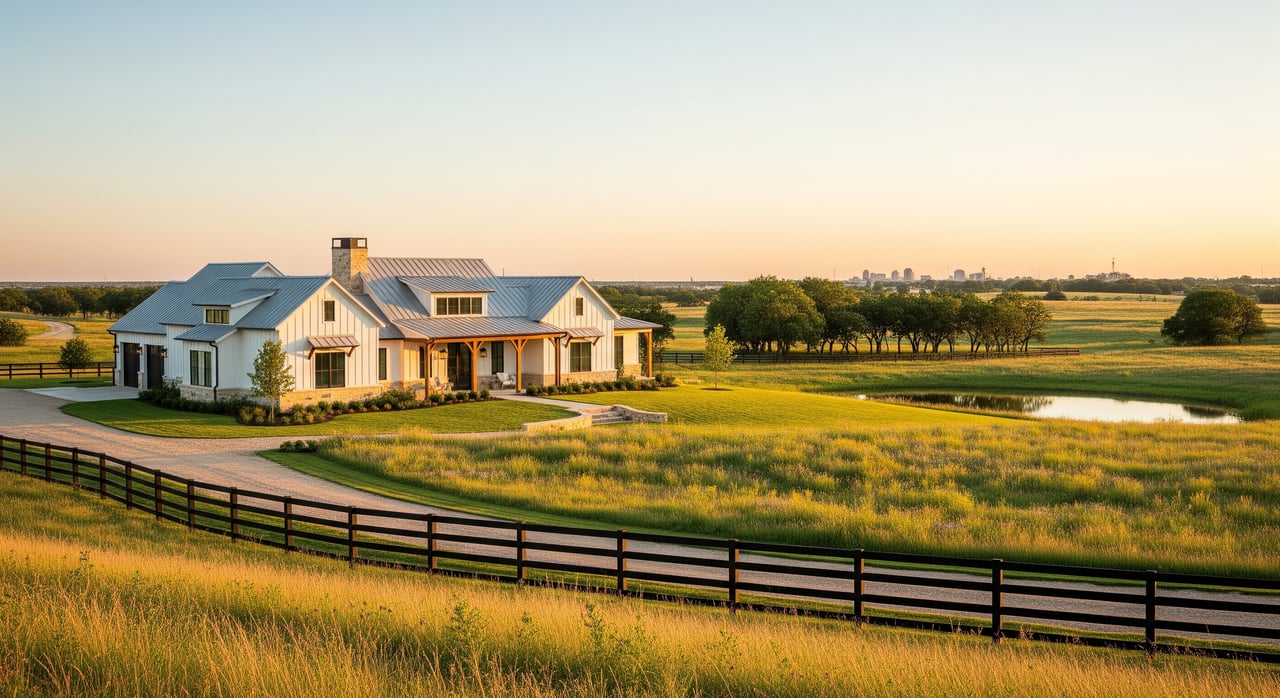
Craving open space without giving up quick trips to OU games, hospitals, and shopping? Living on acreage near Norman gives you room to breathe while staying close to the conveniences you use every week. If you’re weighing a hobby-acreage outside city limits against an in-town neighborhood, you want clear answers on commute times, utilities, internet, livestock rules, and costs. This guide walks you through the day-to-day realities, the must-know logistics, and the due diligence that helps you buy with confidence. Let’s dive in.
What acreage living looks like
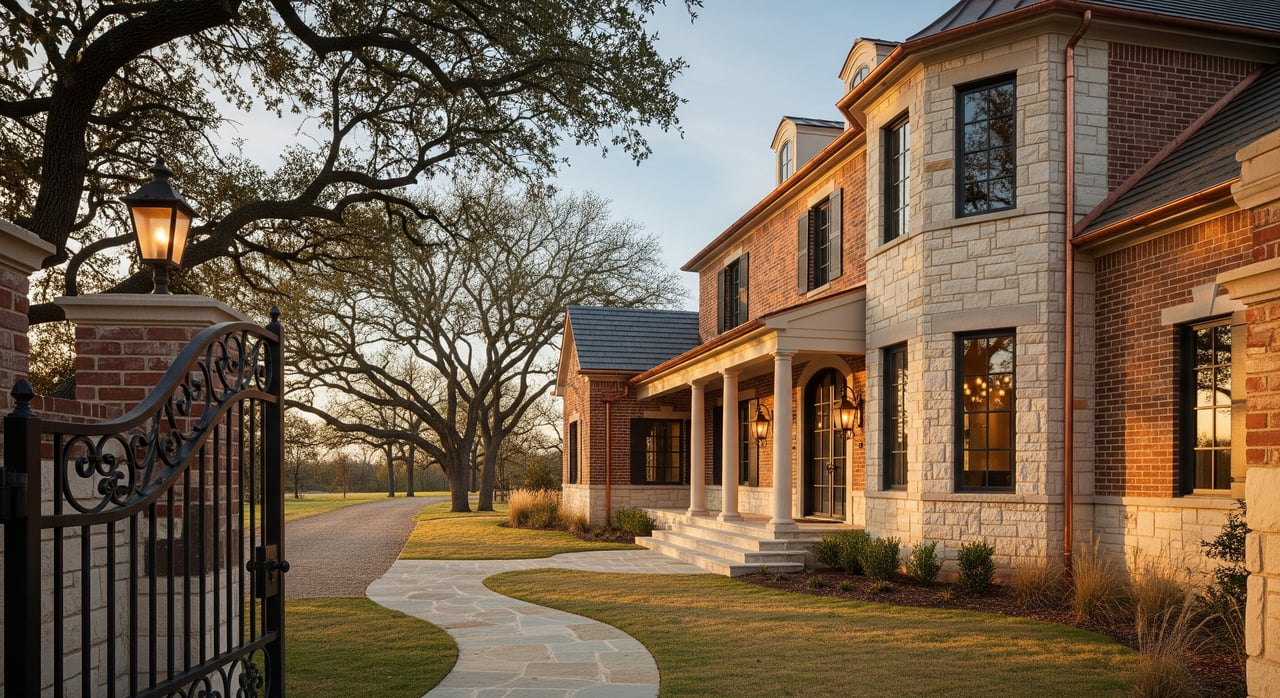
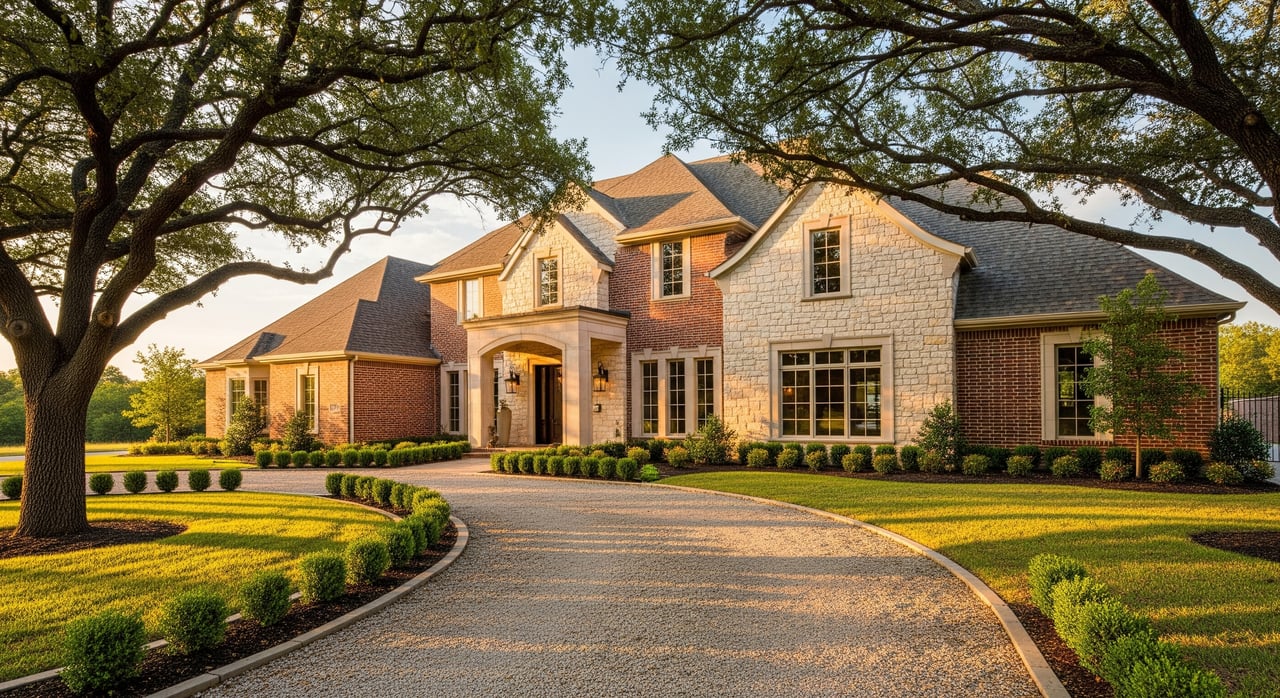
Acreage properties near Norman typically sit just outside city limits in Cleveland County. You get space for privacy, workshops, gardens, and sometimes livestock, with a relatively short drive into town for errands and activities.
Space vs. maintenance
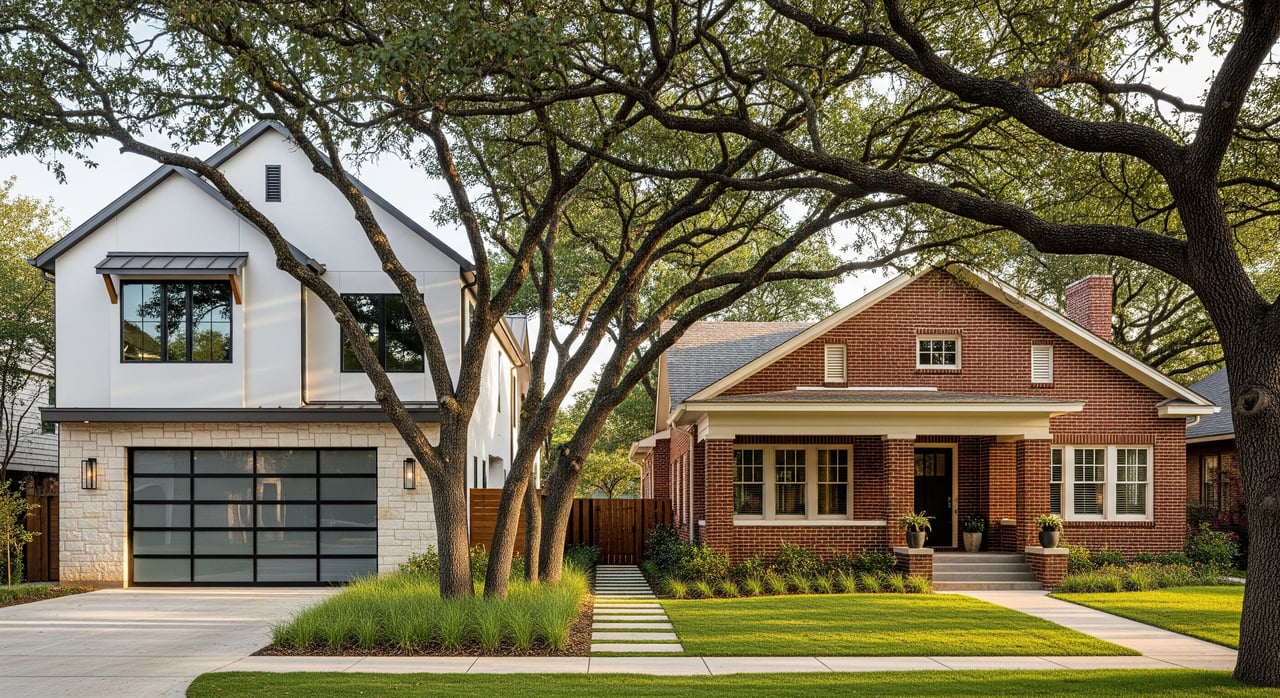
You trade sidewalks and city services for elbow room. On acreage, you may manage a well and septic system, maintain a longer driveway, and handle fencing or pasture care. In-town, you benefit from municipal utilities, shorter response times, and walkable conveniences.
City access and amenities
Norman concentrates cultural, medical, retail, and university life. Many acreage buyers choose parcels that keep central Norman within minutes to about a half hour, so they can enjoy both rural peace and urban convenience.
Commute and access
Driving is the primary way to get around. I-35 and State Highway 9 serve most Norman routes. Many nearby acreage homes reach central Norman in minutes to roughly 30 minutes; trips into Oklahoma City range widely by location, often about 20 to 60 minutes.
Rural roads can be narrower and unlit, with seasonal mud after heavy rains. Some access roads are county maintained, while others are private. Review any private road or driveway maintenance agreements so you understand cost sharing and responsibilities.
Utilities and services checklist
Power, water, and wastewater
- Electricity is commonly available, though line extensions on very remote parcels can take time and add cost.
- Many properties outside city limits rely on private wells. It’s essential to test water quantity and quality before you buy.
- Most rural homes use septic systems. Permits, soil testing, and inspections help confirm a system’s feasibility and compliance.
- Natural gas and sewer typically stop at or near city limits. Propane and septic are common outside municipal service areas.
Trash and emergency services
- Municipal trash service may not reach rural roads. You may arrange private hauling or use local drop-off options.
- Properties outside city limits are usually served by the Cleveland County Sheriff’s Office and volunteer or rural fire departments. Response times can be longer than in the city.
Internet and cell service
Coverage varies by address. Near busier corridors, you may find DSL or cable. Fixed wireless providers serve many rural pockets, and satellite or low-earth-orbit services such as Starlink offer options where terrestrial broadband is limited. Always confirm service availability and test real-world speeds at the property, not just from coverage maps.
Schools and higher education
Norman Public Schools serve the city and some nearby areas, while other parcels may be in neighboring districts based on boundaries. School bus routes for rural homes can be longer with earlier pickups. The University of Oklahoma in Norman adds cultural, sporting, and continuing-education opportunities and is a major regional employer.
Healthcare, shopping, and recreation
Norman offers local hospitals and medical centers, with specialized care available in Oklahoma City. Grocery and big-box shopping cluster along highway corridors. If you like the outdoors, Lake Thunderbird State Park provides boating, fishing, and trails, and other nearby lakes and parks make easy weekend trips.
Hobby farms and livestock basics
If you plan to keep animals or grow more than a garden, align your goals with your parcel size, water availability, and local rules.
Parcel sizes and typical uses
- 1 to 5 acres: Works for a small number of horses or backyard flocks, a generous garden, and a workshop or detached garage. You’ll need thoughtful pasture management and manure handling.
- 5 to 40 acres: Allows more flexibility for multiple animals, hay production, rotational grazing, larger outbuildings, and greater separation from neighbors.
Zoning and permits
Rules depend on whether the property is within Norman city limits or in unincorporated Cleveland County. County areas are often less restrictive, but permits still apply. Expect building permits for significant structures, septic permitting and inspections, setback rules, and possible requirements for waste handling. Contact county planning and health departments for specifics before you commit.
Water and grazing plans
Well yield matters for both household and livestock needs. Evaluate aquifer depth and any well-production history you can obtain. Pasture productivity in central Oklahoma is seasonal, so plan for hay storage and supplemental feeding during winter or drought.
Fencing and structures
Safe fencing for horses and livestock is a meaningful investment. Plan gates and lanes for equipment access. Barns, sheds, run-in shelters, and manure storage should meet code and be sited with drainage and odor in mind.
Weather, floodplains, and soils
Central Oklahoma sees hot summers, thunderstorms, hail, and tornado risk. Include severe-weather shelter for your family and animals in your plan. If the property is near a creek or lake, check flood maps for potential FEMA flood zones. Soil type influences septic design, pasture capacity, and erosion risk, so a soil review can save surprises later.
Costs, financing, and insurance
Understanding the financial picture upfront helps you compare acreage to an in-town home.
Up-front and ongoing costs
- Up-front: A survey, title search, mineral-rights review, well and septic inspections, and possibly soil or environmental tests.
- Development and ongoing: Well drilling, septic installation or upgrades, driveway and culvert work, fencing, outbuildings, pasture improvements, and sometimes higher insurance premiums.
- Road access: If a private road or driveway easement serves the property, confirm maintenance responsibilities and any cost-sharing agreements.
Mineral rights essentials
Oklahoma has a long history of severed mineral rights. Determine whether minerals are included, reserved, or held by someone else. Mineral ownership can carry surface-use implications, so a clear title review is vital.
Financing options
Some lenders use different standards for rural or acreage loans. You may consider agricultural lenders or construction loans for improvements. Ask lenders about appraisal approaches for acreage, outbuildings, and well or septic systems.
Taxes and assessments
Property tax rates vary by city and county. Agricultural-use valuation can reduce taxes if you qualify under use-value guidelines and file accordingly. Also ask about any special assessments or county road districts that impact long-term costs.
Due diligence roadmap
Use this checklist to evaluate a specific acreage listing and avoid costly surprises:
- Location and commute: Drive times to work, school, grocery, and hospital at normal and peak hours.
- Utilities: Confirm electricity, natural gas or propane, water source (well vs. municipal), and wastewater (septic vs. sewer).
- Internet and cell: Test actual speeds and reliability at the address; confirm backup options.
- Access: Determine if the road is public, county maintained, or private; review maintenance obligations.
- Services: Clarify trash collection, mail delivery, and fire/EMS jurisdiction with expected response.
- Schools: Verify district boundaries and bus pickup points and times for the property address.
- Zoning and permits: Confirm allowed uses, building requirements, septic permitting, and setbacks with the county or city as applicable.
- Environmental risks: Review floodplain maps, soil suitability, and local weather risks.
- Mineral rights and easements: Order a title search that focuses on minerals, easements, and any recorded covenants.
- Costs: Identify needed upgrades such as well, septic, driveway, or fencing, and estimate insurance and tax differences.
- Community and lifestyle: Check proximity to parks, trails, farmers markets, and agricultural suppliers.
Is acreage the right fit?
If you want space for a workshop, garden, or a few animals and you are comfortable taking on well, septic, and driveway responsibilities, acreage near Norman can be a great move. You stay close to the University of Oklahoma, local hospitals, and shopping while enjoying privacy and room to grow. If you prefer municipal utilities, sidewalks, and shorter service response, an in-town neighborhood may suit you better.
How we can help
You deserve clear guidance from people who understand both rural land and Norman’s residential market. We combine practitioner-level acreage expertise with a full-service residential practice, so you can compare a hobby-acreage against an in-town home with confidence. From checking utility service and floodplain layers to coordinating well and septic inspections, we help you focus on what matters most: finding the right property for your lifestyle.
Ready to explore acreage near Norman or compare it to a home in town? Let’s talk about your goals, walk through the logistics, and price out your best options. Reach out to Matthew Cunningham to get started.
FAQs
How long is the commute from acreage near Norman?
- Many nearby parcels reach central Norman in minutes to about 30 minutes, while drives into Oklahoma City vary by location and can be roughly 20 to 60 minutes.
What internet options exist for rural parcels near Norman?
- Availability depends on the address; options can include DSL or cable near corridors, fixed wireless in rural areas, and satellite or low-earth-orbit services where terrestrial broadband is limited.
Can you keep horses or backyard poultry on small acreage?
- Often yes on 1 to 5 acres, but numbers and facilities depend on local zoning, parcel layout, water availability, and your ability to manage pasture and manure responsibly.
How do wells and septic systems factor into rural living?
- Many rural homes use private wells and septic; plan for water testing, septic permitting and inspections, and ongoing maintenance as part of ownership.
What should you know about mineral rights in Cleveland County?
- Mineral rights are frequently severed; confirm ownership and surface-use implications during the title search so you understand what is and is not included.
Are there floodplains or severe weather risks to consider?
- Some acreage near creeks or lakes may fall in FEMA flood zones, and central Oklahoma sees thunderstorms, hail, and tornado activity, so review maps and plan for shelter and drainage.